

The Rise of Pet-Centered Architecture and What It Says About the Future of Housing
For decades, pet-friendly housing usually meant one thing: durable flooring and maybe a fenced backyard.
Today, architects, builders, and real estate professionals are designing homes around animals in ways that would have once seemed excessive. But this shift is not really about indulgence. It is about how deeply the role of animals within the household has evolved and how architecture is adapting accordingly.
Pets are no longer being treated as secondary occupants of a home. In many households, they are part of the emotional infrastructure of the family itself. That reality is quietly reshaping modern residential design.
We are seeing this reflected everywhere from luxury custom homes to thoughtfully designed production builds.
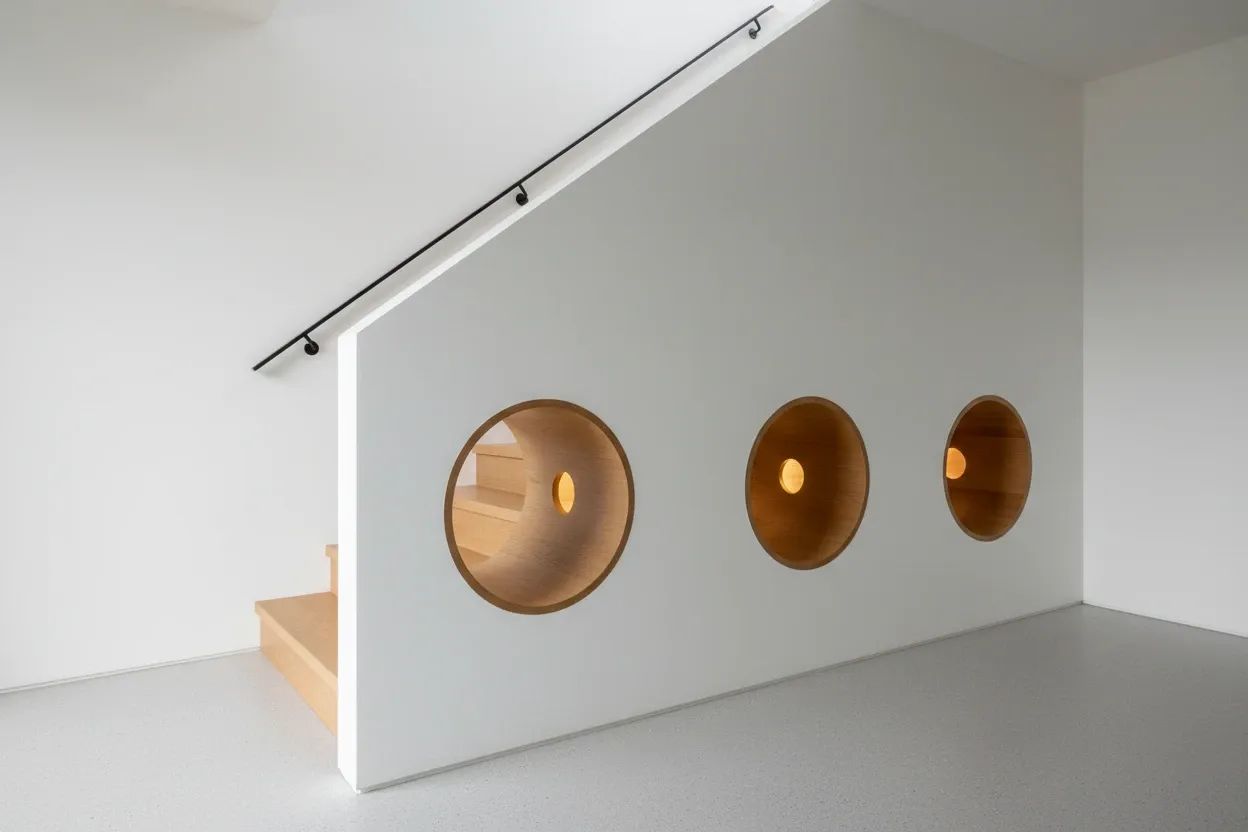
Built-in feeding stations are replacing loose bowls tucked beside kitchen islands. Mudrooms increasingly feature integrated pet washing stations complete with handheld sprayers and tiled drying areas. Stair dimensions, flooring materials, and outdoor transitions are being considered with aging dogs in mind. Hidden litter box cabinetry, pet nooks beneath staircases, and climate-controlled indoor-outdoor spaces are becoming intentional design features rather than afterthoughts.
Even pet containment itself is being reimagined architecturally. Rather than large metal crates sitting awkwardly in living rooms, many homes now incorporate built-in kennel cabinetry disguised as furniture pieces, integrated sleeping alcoves beneath counters, or custom millwork designed to blend seamlessly into the home’s aesthetic. What was once treated as visual clutter is increasingly being absorbed into intentional design.
Even neighborhood planning is evolving around this relationship.
Developers are placing greater emphasis on walkability, green space access, pet parks, trail systems, and outdoor gathering areas that accommodate both residents and their animals. In many communities, pets have become part of the social fabric that drives neighborhood interaction and connection.
From a real estate perspective, this matters more than some industry professionals realize.
Homes that acknowledge how people actually live tend to resonate more deeply with buyers. Pet-centered design works because it taps into emotional functionality. Buyers are not simply evaluating square footage anymore. They are evaluating how supported their lifestyle feels inside the space.
And increasingly, that lifestyle includes animals in a meaningful way.
What is especially interesting is how this trend intersects with broader architectural movements already underway. Modern housing design has been steadily shifting toward wellness, comfort, flexibility, and emotional ease. We see it in natural light prioritization, aging-in-place features, outdoor living integration, and softer transitions between functional spaces.
Pet-centered architecture fits naturally into that evolution because it reflects a larger cultural shift toward designing homes around real life rather than formal presentation.
The formal dining room sitting untouched for eleven months a year is slowly giving way to spaces that serve daily routines more intentionally. Utility is becoming beautiful. Comfort is becoming sophisticated. Thoughtfulness is becoming luxury.
In many ways, the rise of pet-conscious housing design tells us something larger about where residential architecture is heading next.
The future of housing is likely not about bigger homes. It is about better aligned homes. Homes that reduce friction. Homes that support routines. Homes that accommodate emotional realities, not just physical needs.
The most successful residential architecture has always reflected the way people truly live. Right now, people are living more connected to their animals than perhaps ever before.
Architecture is simply catching up to that truth.