





Add Real-Time Transit Navigation
Nikita SherbinaCo-Founder & CEO · AIScreen Digital Signage Software
An overlooked element is street-level wayfinding paired with real-time transit information. In a smart infrastructure project I led, multilingual signage with live updates cut missed connections by almost 18% within three months.
Travel sped up and questions to staff dropped, lowering daily friction and helping more people move with confidence. It also improved accessibility, allowing elderly residents and first-time visitors to navigate independently.
As complaints declined and reliance on the network grew, trust increased and the areas served felt more connected and welcoming.
Repair Sidewalks to Reconnect Neighbors
Jacob OrtizOwner · Modern Offer REI
One underappreciated factor is well-maintained sidewalks -- they're the connective tissue of neighborhoods. I remember a street in Elmwood where cracked pavements kept residents isolated, but after repairs, you suddenly saw strollers, kids biking, and neighbors stopping to chat. That simple fix didn't just improve accessibility; it sparked impromptu block parties and revived the community's spirit.
Create Small Social Spaces
Jacob MullinsOwner · New South Property Solutions
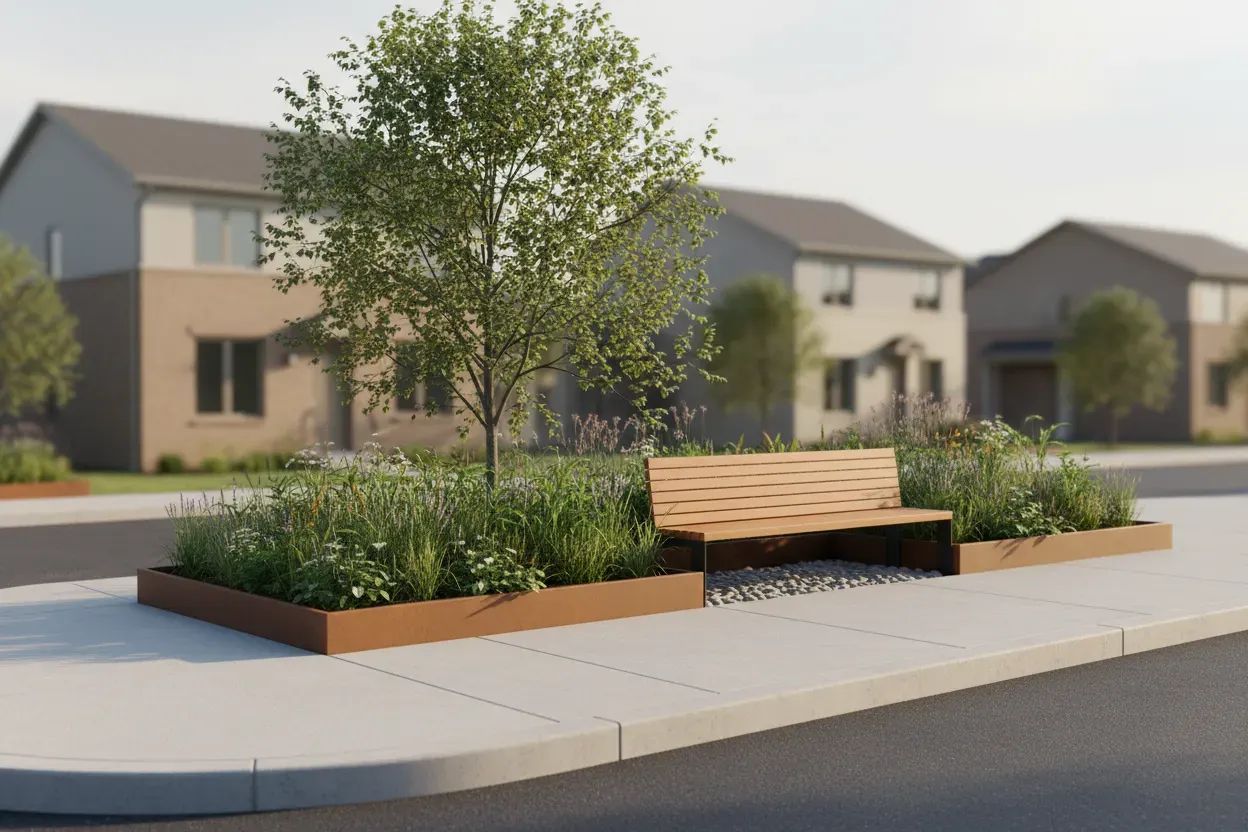
One often-missed element is the placement and quality of gathering spaces--those little pocket parks, benches at street corners, and community courtyards that give neighbors a reason to slow down and actually connect. I've watched a neighborhood in our area completely shift when a developer added a simple greenspace between two residential blocks; suddenly you saw kids playing together, parents chatting, and an organic sense of safety and pride emerge that no amount of fancy facades could create. Those spontaneous human connections are what transform a collection of houses into a true community.
Build Connected Pedestrian Loops
Jamshed AhmedFounder & Renovation Consultant (Dubai) · Revive Hub Renovations Dubai
One overlooked element is the safe and continuous walking loop, not just sidewalks, but a connected path that feels comfortable for kids, elders, and strollers from home to a small daily destination like a park, shop, mosque, school, or transit.
I saw this transform a neighborhood when a disconnected area got three small changes, shaded crossings, better lighting, and a simple bench rhythm every few minutes. People started walking after sunset, parents lingered instead of rushing, older residents came out more often, and local shops got steadier foot traffic. The biggest wellbeing shift was social, strangers became familiar faces because the street became a daily routine, not a risk.