



- Indicate Path Priority with Width and Materials
- Design Entryways and Pathways as a Journey
- Blend Form and Function in Pathways
- Thoughtfully Design Entryways for First Impressions
Indicate Path Priority with Width and Materials
Ben BowenLandscape Designer / Owner · Ross NW Watergardens
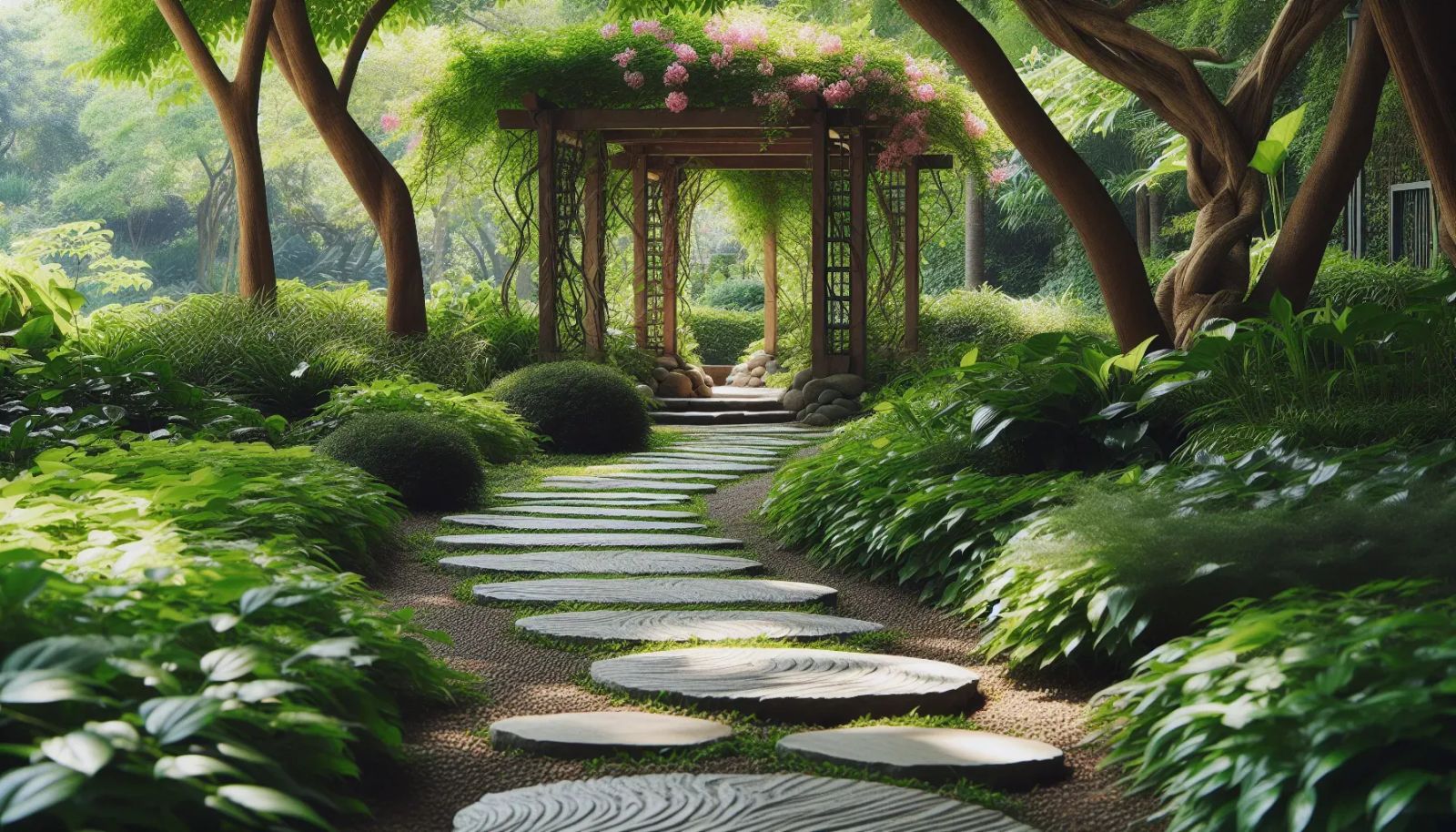
I like to use the width and materials to indicate the priority of the path. A path that leads to a home's entrance or a main patio will generally be wider and should be built using the highest-grade material that we are using on the project. A secondary path will probably be a bit less wide and use a lesser material.
As an example, we did a project with a 5-foot-wide front walkway made of basalt flagstone with mortared joints. When the path reached the front door, we created a landing out of cut basalt flagstone. This "elevation" of materials helps to indicate that you have reached a destination. Secondary paths in this landscape were 30 or 36 inches wide and while they also utilized basalt flagstone, the joints were wider and finished with gravel. Other paths that would be used even less frequently were just stepping stones.
Design Entryways and Pathways as a Journey
Félix Ménard-BrièreLandscape Architect · Virage
Entryways and pathways are more than just functional elements in landscape architecture—they're the first chapter of a story.
When I design these spaces, I focus on setting the tone and guiding the experience. Every curve, material choice, and planting decision is intentional. Entryways should feel like a welcome—an invitation that draws people in. Pathways? They're the journey. They lead, surprise, and connect, turning a simple walk into an immersive experience.
The approach starts with understanding the user. Is the entry formal or casual? Should the pathway encourage exploration or provide a direct route? From there, I shape the design to align with the purpose. Curved lines create a sense of discovery, while clean, straight paths offer clarity and order. Materials, lighting, and plantings are layered to add texture, guide movement, and enhance the mood.
Together, they create a design that's both functional and immersive. Pathways protect sensitive planting areas, and ensure accessibility for all. And when done right, they do it invisibly, making the design feel effortless.
My philosophy? Design for both purpose and emotion. Entryways make the first impression, they set the tone. Pathways create the journey, whether it's about exploration or efficiency. Together, they transform movement into something meaningful.
Blend Form and Function in Pathways
Nathan StockmanPresident · Stockman Lawnscape
When we design entryways and pathways, we really love to blend form and function. After all, entryways are the first thing people notice when they arrive, so we aim to make them as welcoming as possible. Whether you're the homeowner or a guest, that transition into a space should feel inviting. It's all about capturing the character of both the home and the surrounding landscape and pouring that essence into the entry space. We believe that both pathways and entryways should be designed with purpose in mind. For instance, proper lighting is essential—not just for aesthetics but also for safety. We love incorporating features like motion-activated lighting. It's such a simple addition but incredibly convenient for those darker evenings. When it comes to pathways, selecting the right materials is key. We like to choose options that catch the eye and enhance the journey. Adding interesting elements around the path can really elevate the overall experience, making each step feel special and playing into our goal, which is to turn every backyard into an outdoor oasis.
Thoughtfully Design Entryways for First Impressions
Jeremy ResmerCEO · Value Land Buyers
In developing raw land parcels, I've learned that thoughtfully designed entryways can make or break a property's first impression and future value. Just last month, we incorporated a simple gravel pathway bordered by drought-resistant lavender on an Arizona property, which not only guided visitors naturally to the building site but also created an inviting atmosphere that helped us sell the parcel within weeks.