




Simplify Technical Concepts Through Interactive Demonstrations
Igor GolovkoDeveloper, Founder · TwinCore
Our team worked on a healthcare project which involved creating a patient management dashboard that integrated with various internal systems. The client lacked technical expertise so our team created a basic flow diagram which demonstrated only major system interactions without showing any code or schema details. I demonstrated essential workflows through practical examples which showed how patient check-ins activate database modifications and notification sequences.
The technical difference between our teams became less significant because I presented UI wireframes and interactive Figma prototypes. The interactive system enabled users to experience the logic through direct interaction instead of reading technical documentation. The system used outcome-based terminology instead of technical terms like "event bus" and "message queue" to describe how the system automatically sends notifications to care teams. The method established common ground between us before starting any programming work.
Visualize Space Flow With Business Goals
Md Al Amin SohanArchitect · South House Tale
I would rather meet him with a simplified diagram, some space flow sketches and will explain user experience other than describing technical parts of complex commercial projects. Will explain how to relate design concepts to their business goal.
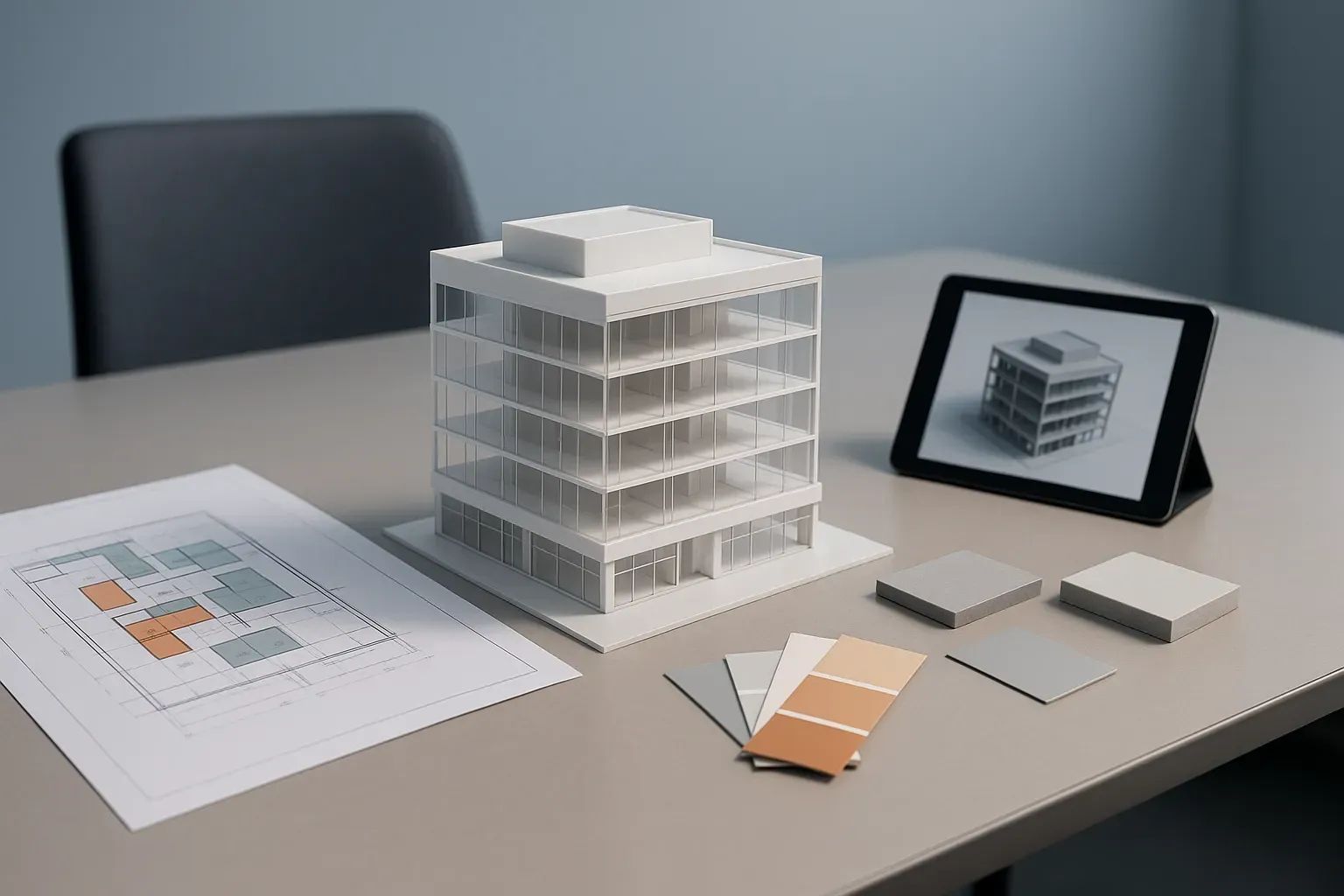
I once had to present a commercial complex design to a client who wasn't familiar with architectural terms. Instead of using technical drawings, I showed them 3D visuals and a conceptual sketch to bring the space to life. I explained each part in simple language--focusing on how customers would move, where natural light would enter, and how the layout supported their business goals. I also invited them to share how they imagined using the space. By keeping the conversation visual and relatable, they fully understood the concept and felt confident moving forward.
Creative Glass Solutions For Limited Space
Dana HayekHead of Marketing · EMKAAN
Yeah I had been face an issue when we were construct a complex and designing building in a Dubai. The Building area is smaller than project area. At last we decided we work on a glass and lighting in this project so that it can be cover the whole area with the small surface. The client were very happy from our this approach.
Present Complex Ideas Through Progressive Disclosure
Layered explanations that progressively reveal detail allow clients to engage with complex concepts at their own comfort level. Beginning with a simple overview that anyone can understand establishes a foundation before introducing more nuanced aspects of the design. This approach prevents overwhelm by allowing clients to digest information in manageable portions rather than facing all complexity at once.
Digital presentations with expandable sections enable presenters to adapt the technical depth based on the client's reactions and questions during the meeting. The progressive disclosure method respects the client's existing knowledge while providing pathways to deeper understanding for those who want more information. Structure your next presentation with clearly defined layers of complexity that clients can explore according to their interest and technical comfort.
Connect Design Elements To Business Outcomes
Framing design concepts in terms of specific business outcomes helps clients understand the value without needing to grasp technical details. When clients can see how a design choice directly impacts their business goals—such as increasing conversion rates or reducing customer service inquiries—the technical aspects become secondary to the results. Case studies from similar projects can demonstrate how particular design elements translated to measurable improvements for other businesses in comparable situations.
This approach shifts the conversation from how something works technically to why it matters for the client's bottom line. Data visualization showing projected improvements can make abstract concepts concrete for business-minded clients without technical backgrounds. Present design concepts with clear connections to business metrics that matter to your client.
Visual Prototypes Trump Technical Diagrams
Visual prototypes significantly outperform technical diagrams when communicating complex design concepts to clients unfamiliar with industry standards. While designers may understand wireframes and schematics, clients often see only confusing lines and shapes rather than the final product vision. Interactive mockups, video walkthroughs, and high-fidelity prototypes create an immediate visual understanding that bypasses the need for technical knowledge.
These visual aids demonstrate functionality and user experience in a way that feels tangible and real to the client. Color-coded elements can further enhance comprehension by visually grouping related features without requiring technical explanation. Take time to create visually appealing prototypes that clients can see and interact with rather than relying on technical documentation.
Translate Technical Jargon Into Benefit-Focused Language
When presenting to clients with limited technical knowledge, translating complex design terminology into simple, benefit-focused language is essential for understanding. Technical jargon can create barriers between the presenter and the client, causing confusion rather than clarity about the project's value. Explaining how each design element solves a problem or improves the client's situation helps them grasp the concept without needing to understand technical details.
For example, instead of discussing responsive frameworks, one might explain how the design will work perfectly regardless of what device customers use to access it. Consider reviewing all presentation materials in advance to replace any industry-specific terms with plain language that emphasizes client benefits. Schedule a pre-meeting with non-technical team members to practice explaining complex concepts in simpler terms.
Hands-On Exploration Builds Client Understanding
Interactive demonstrations create hands-on understanding that static presentations cannot match for clients with limited technical knowledge. When clients can personally explore a prototype or participate in a guided walkthrough, they develop intuitive understanding that bypasses the need for technical explanation. The physical or digital interaction creates memorable experiences that help clients retain information about the design's functionality and purpose.
These demonstrations can reveal user experience issues or concerns that might not emerge during traditional presentations, leading to more productive feedback. Interactive sessions also build client confidence by demystifying complex systems through direct exploration. Arrange opportunities for clients to personally interact with prototypes or simulations of the final product.